
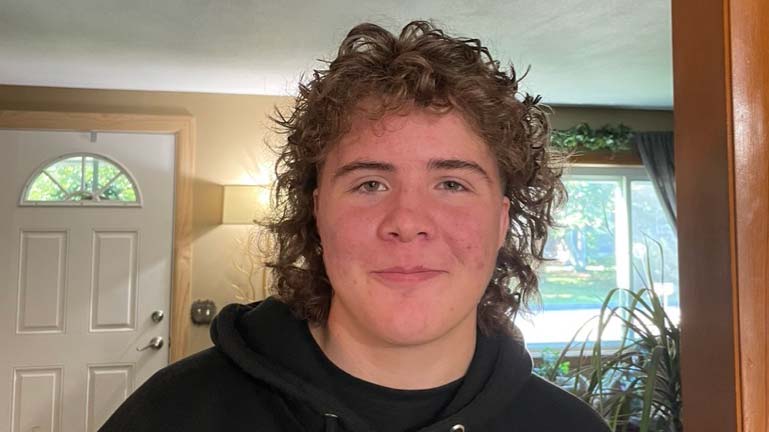
We did not plan to learn how to survive something like this.
Most people don’t.
When Jesse died, it wasn’t just sudden. It was preventable. That word sits differently in your body. It brings anger, questions, and a kind of disbelief that doesn’t disappear when the casseroles stop showing up and the world starts moving again.
We’re not therapists. We’re not grief experts. We are a mom and a sister who woke up in a different world on March 25, 2023. This is a little of what that first year actually looked like for us.
The shock doesn’t wear off on a schedule
People talk about “the stages of grief” like you move through them one at a time. That wasn’t our experience.
Weeks after the funeral there were days that still felt like shock. Other days were anger that came out of nowhere. Some mornings we managed to function. The next day it might be impossible to get off the couch.
Grief after a sudden loss does not move in straight lines. It circles back. It catches you on ordinary days. It shows up in places you don’t expect.
One thing we learned quickly is that there is no timetable for any of it.
The system can make grief heavier
Because Jesse’s death involved a criminal case, that first year included more than grief. It included waiting.
Waiting for hearings.
Waiting for decisions we had no control over.
Waiting to be allowed to speak publicly about things that had happened.
Grief already changes the way time feels. Adding a legal process on top of that can make everything feel even more uncertain. Court dates appear on calendars that used to hold normal family plans. Entire weeks revolve around a few hours in a courtroom.
Some of the hardest days were the ones when court ended and life outside the building kept moving like nothing had happened.
What helped the most in those moments wasn’t anyone trying to solve anything. It was simply having someone willing to sit with us afterward and acknowledge what the day had been.
The help that mattered most was small
During that first year many people reached out. Some didn’t know what to say. Some tried to say something big and meaningful and struggled to find the words.
The moments that stayed with us were usually the simplest ones.
A message saying someone was heading to the store and could drop groceries on the porch.
A ride offered to an appointment that felt impossible to face alone.
A friend willing to listen while the same story came out again and again, because some parts of grief need to be spoken out loud many times before they settle.
Those small acts carried more weight than people probably realized.
Siblings carry their own version of the loss
When a child dies, the focus naturally falls on the parents. That makes sense. But siblings are living through the same loss in their own way.
Sibling grief can look different.
Sometimes it means holding memories no one else saw. Sometimes it means being expected to stay strong while still trying to understand what just happened. Sometimes it means carrying anger toward the people and decisions that led to a brother not coming home.
Every family moves through that differently, but one thing became clear very quickly: siblings are grieving too, even when the world doesn’t always see it.
And once the storm is over you won’t remember how you made it through, how you managed to survive. You won’t even be sure, in fact, whether the storm is really over. But one thing is certain. When you come out of the storm you won’t be the same person you walked in.
– Haruki Murakami
Realizing we were not the only family
At first it felt like we had stepped into a world no one else understood. Over time we began meeting other families whose stories carried the same words we kept repeating: it didn’t have to happen.
Their situations were different. Some had lost children in crashes. Some to violence. Some to overdoses or medical failures. But the language of preventable loss sounded familiar.
Hearing those stories didn’t make our loss easier. But it did remind us that we were not alone in it.
That realization became one of the reasons Jesse’s Justice exists. The resources we share on this site come from things that helped us during that first year: trauma centers, survivor support organizations, and groups created by families who have walked similar roads.
No tidy ending
There isn’t a moment where a preventable loss becomes something you simply move past.
We carry Jesse with us every day. In conversations. In decisions. In the work that led to creating Jesse’s Justice.
The first year changed everything about how our lives look and how we understand the world. Some things have gotten easier with time. Other things never will.
But Jesse is still part of our family. He is still part of the reason we keep moving forward.
And telling the truth about that first year is one way we keep his story alive.